
The iPhone 15 Plus is not Apple’s most advanced phone, but it may be one of the most practical choices for people upgrading from an older iPhone. It brings the 6.7-inch screen size, Dynamic Island, USB-C, A16 Bionic chip and 48MP main camera into a more mainstream package than the Pro Max models.
Its appeal is simple: you get a large display, strong battery life, reliable performance and a familiar iPhone experience without paying for every Pro feature. It is best for users coming from an iPhone 11, iPhone 12, older SE model, or any phone that now feels slow, cracked, cramped or weak on battery.
Practical Verdict
Buy the iPhone 15 Plus if you want a large iPhone for watching video, messaging, photos, social apps, navigation and everyday use. It is especially sensible if you care more about screen size and battery life than having the latest Pro camera system.
Skip it if you want a 120Hz display, the newest Apple chip, advanced zoom cameras, titanium build or Pro-level video tools. Those are the reasons to look at Pro models instead. The main trade-off is that the iPhone 15 Plus feels modern, but not cutting-edge.
What Makes the iPhone 15 Plus Different
The iPhone 15 Plus takes many features that previously felt closer to Apple’s Pro line and makes them available in a standard model. The most visible change is Dynamic Island, which replaces the older notch design and makes alerts, timers, calls, music controls and live activities feel more integrated into the screen.
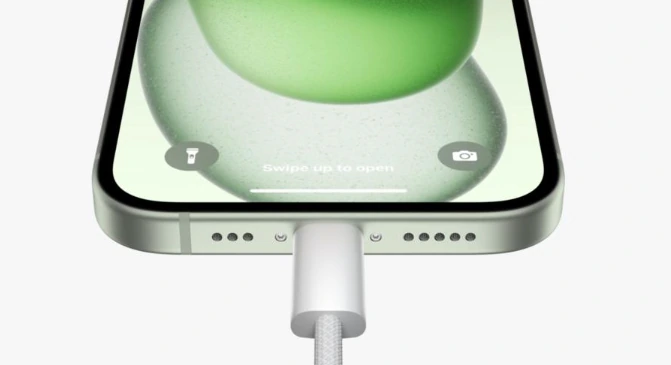
The second major change is USB-C. For many buyers, this is more useful than it sounds. It means one cable can charge an iPhone, iPad, MacBook, many Android devices, headphones and accessories. It does not turn the iPhone 15 Plus into a Pro-grade data-transfer machine, but it does make daily charging simpler.
The third big improvement is the 48MP main camera. Apple’s standard iPhones used lower-resolution main cameras for years, so this upgrade matters for detail, cropping and cleaner everyday shots. The iPhone 15 Plus does not become a Pro camera phone, but it gives normal users more flexibility than older base iPhones.
Display and Design
The iPhone 15 Plus has a 6.7-inch Super Retina XDR OLED display with 2796-by-1290 resolution, HDR support, True Tone, wide color and up to 2000 nits peak outdoor brightness. In normal use, that means the screen is large, sharp and easy to see outdoors.
The size is the main reason to choose the Plus over the regular iPhone 15. Reading, maps, YouTube, Netflix, games, editing photos and typing all feel more comfortable on the larger panel. If your phone is your main screen during the day, the extra space is noticeable.
The limitation is refresh rate. The iPhone 15 Plus still uses a 60Hz display, while Pro models offer smoother scrolling with ProMotion. Some users will not care. Others will notice it immediately, especially if they have used a modern 120Hz Android phone or iPhone Pro.
The design is clean and familiar. It does not look as premium as a Pro Max, but it feels more modern than older iPhones because of the Dynamic Island, slimmer visual language and USB-C port.
Camera Quality
The 48MP main camera is one of the strongest reasons to upgrade to the iPhone 15 Plus. It gives everyday photos more detail, better cropping room and improved quality compared with older standard iPhones. Apple also uses the larger sensor to offer a useful 2x telephoto-style crop, even though the phone does not have a dedicated telephoto lens.
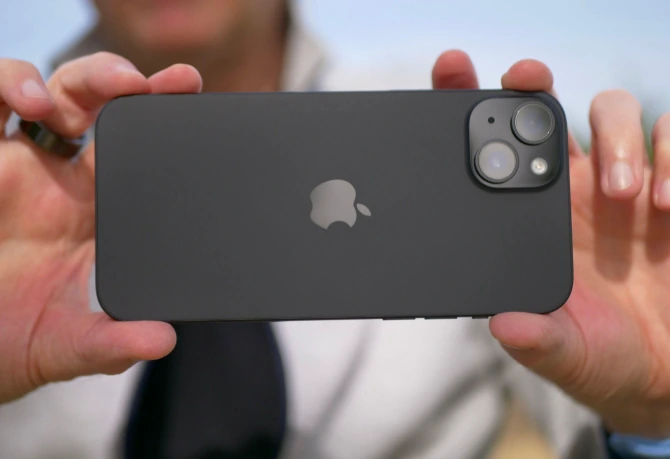
For daily use, the camera is more than enough. Pets, food, travel shots, family photos, social media content and quick videos all look strong with little effort. The iPhone’s strength has always been consistency, and the 15 Plus keeps that advantage.
The gap appears when you compare it with Pro models. There is no dedicated telephoto camera, no ProRAW workflow for advanced users, and fewer high-end video options. If photography is a hobby or part of your work, the Pro line still makes more sense.
For most people, though, the iPhone 15 Plus camera is exactly what it needs to be: fast, reliable and good enough that you rarely have to think about settings.
Performance and Everyday Speed
The iPhone 15 Plus runs on Apple’s A16 Bionic chip, the same generation of processor used in the iPhone 14 Pro line. It is not Apple’s newest chip anymore, but it remains fast for daily tasks.
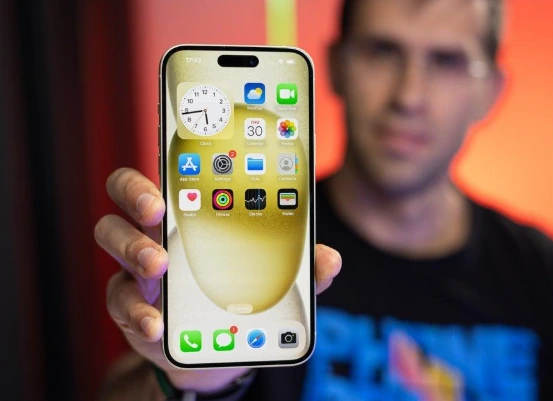
Apps open quickly, games run well, camera processing feels smooth and iOS animations are responsive. If you are upgrading from an iPhone 11, iPhone 12 or older device, the difference will feel substantial. The phone is not aimed at people who upgrade every year; it is aimed at people who keep a phone until it stops feeling comfortable.
The A16 also gives the device enough headroom for several years of normal use. The more important question is not whether it is the fastest iPhone, but whether it feels fast enough for the buyer. For mainstream users, the answer is yes.
Battery Life and Charging
Battery life is one of the strongest arguments for the iPhone 15 Plus. Apple lists up to 26 hours of video playback for the Plus model, compared with up to 20 hours for the smaller iPhone 15. That difference matters if you stream, use maps, take photos, message constantly or spend long days away from a charger.
The large body allows for a larger battery, and the phone benefits from Apple’s efficient hardware and software tuning. In practical terms, the iPhone 15 Plus is the better pick if battery anxiety is one of the reasons you are replacing your current phone.
USB-C also improves convenience. You still need the right charger for faster charging, and the base iPhone 15 models do not get the faster USB transfer speeds of the Pro models. But for normal charging and cable sharing, USB-C is a meaningful quality-of-life upgrade.
iPhone 15 Plus vs iPhone 15
The regular iPhone 15 and iPhone 15 Plus are very similar. They share the same chip, camera system, Dynamic Island, USB-C move and general feature set. The choice mostly comes down to size and battery.
The iPhone 15 is easier to hold, easier to pocket and better for people who dislike large phones. The iPhone 15 Plus is better for video, reading, typing, gaming and battery life.
That makes the Plus less about extra power and more about comfort. If you already know you like big phones, the iPhone 15 Plus is the better everyday device. If you use your phone one-handed often, the smaller iPhone 15 may be easier to live with.
Who Should Upgrade?
The iPhone 15 Plus makes the most sense for people using an iPhone 11, iPhone 12, iPhone XR, iPhone XS or older SE model. Those users gain a much better screen, stronger camera, faster performance, longer battery life, 5G support where applicable, USB-C and a more modern front design.
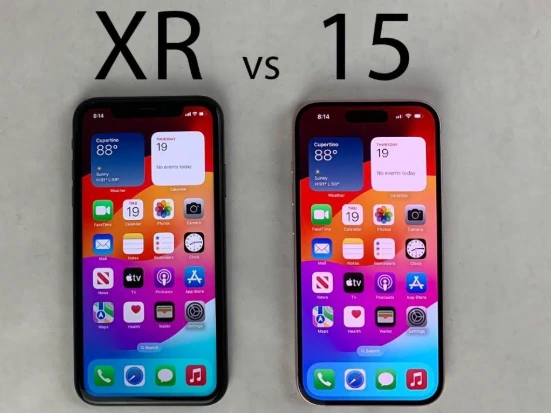
It is less urgent for iPhone 14 Plus owners. The upgrades are useful, especially USB-C, Dynamic Island and the 48MP camera, but they may not justify replacing a phone that still works well.
For iPhone 13 users, the decision depends on battery condition and screen preference. If your phone still feels fast and the battery is healthy, waiting may be smarter. If you want a larger screen and better camera, the 15 Plus becomes more attractive.
The Smart Buying Decision
The iPhone 15 Plus is not designed to impress spec hunters. It is designed for people who want a dependable big-screen iPhone that feels modern without entering Pro Max pricing.
Its best qualities are practical: large OLED display, strong battery life, useful camera upgrade, USB-C convenience and smooth performance. Its weaknesses are also clear: 60Hz display, no telephoto lens, no Pro chip and fewer advanced creative tools.
For the right buyer, that balance works. If your current iPhone is several years old and you want a bigger screen without chasing the most expensive model, the iPhone 15 Plus remains a strong mainstream upgrade.