
When is the PS6 coming out? Sony has not announced an official PlayStation 6 release date yet. Based on the normal PlayStation generation cycle, the earliest realistic window would have been late 2027, but the current picture points more cautiously toward 2028 or later. A 2029 launch is also possible if Sony decides to wait for better component pricing, stronger PS5 software momentum, or a clearer market signal.
That means anyone asking when does the PS6 come out should treat every exact date as speculation. The PlayStation 6 is almost certainly in planning, and some hardware decisions appear to be moving behind the scenes, but Sony has not given the public a launch month, price, final specs, design, or game lineup.
Why the PS6 Release Date Is Still Unclear
The PS5 launched in November 2020, so a traditional seven-year console cycle would make late 2027 a natural guess for the PlayStation 6. That timing would follow the broad rhythm of earlier PlayStation generations: a long runway, a late-year launch, and a push into the holiday shopping season.
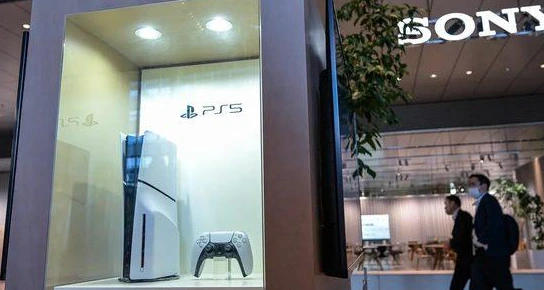
The problem is that this generation has not felt normal. The PS5’s early years were shaped by supply shortages, pandemic-era disruption, and longer game development cycles. Many major games continued to launch across PS4 and PS5, which made the new generation feel slower to separate from the old one.
Sony also has less pressure to rush. The PS5 remains commercially important, the PS5 Pro gives the current generation a performance refresh, and many live-service or cross-platform games still run on older hardware. Launching the PS6 too early could split developers, confuse buyers, and make current PS5 owners feel that the generation ended before it fully matured.
The Most Likely PlayStation 6 Release Window
The safest answer is that the PlayStation 6 release date is likely to fall no earlier than late 2027, with 2028 looking more plausible based on current signals. If memory prices and component availability remain difficult, Sony could wait until 2029.
A late-year release still makes the most sense. Sony usually wants new hardware on shelves before the holiday season, when console demand is strongest. A November launch would not be surprising, because both PS4 and PS5 arrived in November and that window gives publishers a clear target for launch games.
The real uncertainty is the year. Sony can afford to watch the market before locking the date. If the PS5 ecosystem stays healthy, if major games keep selling, and if memory remains expensive, waiting becomes more attractive. If Microsoft, Nintendo, or PC handhelds change the competitive pressure, Sony may move faster.
Why Sony Might Delay the PlayStation 6
The biggest practical issue is cost. A next-generation console depends on advanced processors, fast storage, and high-bandwidth memory. If memory remains expensive, the PS6 becomes harder to price aggressively without hurting margins.
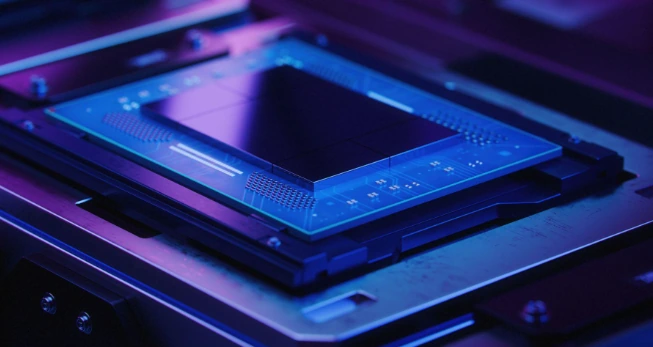
This matters because console pricing is already under strain. The PS5 did not follow the old pattern of steady price cuts across its life. In several markets, console prices have stayed firm or increased, and premium hardware has become more expensive. That changes consumer expectations for the PS6.
There is also a software reason to wait. Big-budget games now take longer to make, and a new console is only exciting if players can see why it matters. If the PS6 launches before enough next-generation games are ready, it risks feeling like a technical upgrade rather than a new era.
Another factor is diminishing returns. The jump from PS2 to PS3 or PS3 to PS4 was easy to show. The jump from PS5 to PS6 will need more than sharper textures. Sony will have to sell players on better ray tracing, higher frame rates, AI-assisted rendering, faster loading, richer worlds, smoother performance, and possibly new ways to play.
What Could the PS6 Price Be?
Sony has not confirmed the PS6 price. Any exact number is a guess, but players should prepare for a higher launch price than older console generations.
A $399 or $499 launch would be difficult if component costs remain high. A price around the upper end of modern console hardware feels more realistic, especially if Sony positions the PlayStation 6 as a premium system with advanced graphics, AI upscaling, fast storage, and strong backward compatibility.
The question is whether Sony chooses a traditional single-purchase model or experiments with a new business approach. There has been discussion around Sony studying different business models, but that does not mean the PS6 will definitely use a subscription-style or installment-style structure. It only shows that pricing pressure is serious enough for Sony to consider options.
For buyers, the practical advice is simple: do not plan around a cheap launch. If the PS6 arrives in 2028 or 2029, it may be powerful, but it is unlikely to feel inexpensive.
What Specs Could PlayStation 6 Have?
Sony has not revealed official PS6 specifications. The most likely direction is a custom AMD-based system, continuing the technical path used for PS4 and PS5. That would make sense for performance, developer familiarity, and backward compatibility.
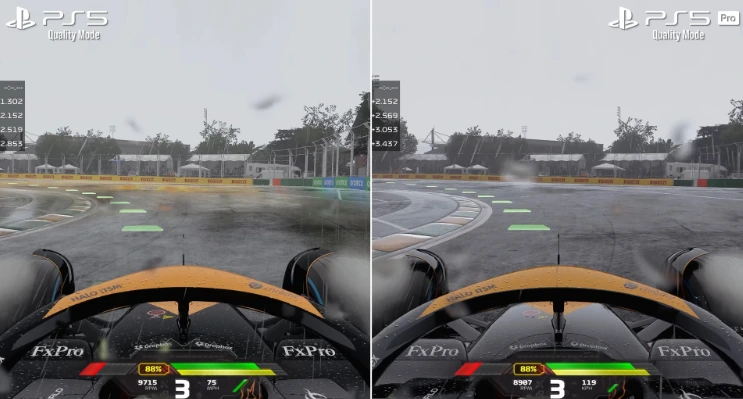
The expected technical focus is not just raw resolution. By the time PS6 arrives, the real selling points will probably include stronger ray tracing, better frame-rate stability, more advanced upscaling, AI-assisted graphics features, faster CPU performance, and smoother support for large open-world games.
A common expectation is that Sony will target high-quality 4K gaming at higher frame rates, with 120fps support in selected titles. That does not mean every PS6 game will run at 4K and 120fps. Console marketing often describes capability, while real games choose trade-offs between resolution, visual detail, ray tracing, world complexity, and performance modes.
Memory will be one of the most important specs to watch. More RAM and faster bandwidth would help developers build bigger environments, improve asset streaming, and reduce bottlenecks. But memory is also one of the areas most affected by market cost, which is why Sony may be cautious about timing and pricing.
Will PS6 Be Backward Compatible?
Backward compatibility is one of the safest expectations for PlayStation 6. Sony has not published a final compatibility promise, but there are strong reasons to expect PS5 games to carry forward, and PS4 support is also plausible.
Players now expect digital libraries to survive hardware transitions. The PS5 benefited from PS4 backward compatibility because it gave early buyers a large library immediately. The PS6 will likely need the same advantage, especially if development cycles remain long.
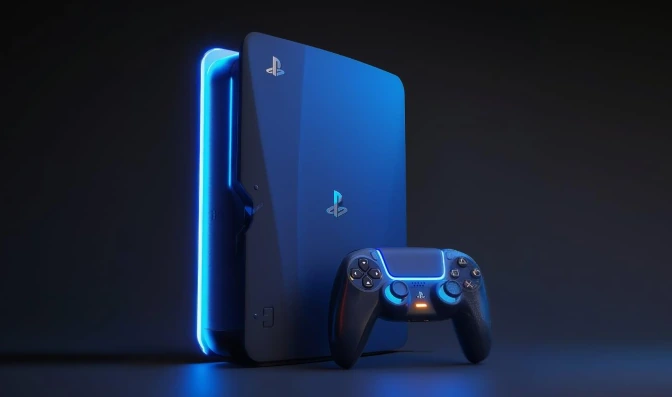
Backward compatibility also makes business sense. It helps Sony keep players inside the PlayStation ecosystem, protects purchases, and gives publishers a longer life for existing games. If the PS6 uses a related AMD architecture, bringing PS5 games forward should be easier than it would be across a completely different hardware design.
The unknown is how far Sony goes. Basic compatibility is one thing. Enhancements are another. Players will want higher frame rates, better resolution, faster loading, and improved stability for older games. Those upgrades may depend on individual patches, system-level boost modes, or publisher support.
What Games Could Launch on PS6?
No confirmed PS6 launch games exist yet. Any game list right now should be treated as prediction, not fact.
The most likely PS6 candidates are future entries from Sony’s major first-party studios. Insomniac, Naughty Dog, Santa Monica Studio, Guerrilla, Polyphony Digital, and other PlayStation teams will almost certainly shape the console’s early identity. The question is whether their biggest projects launch only on PS6 or across both PS5 and PS6.
A cross-generation launch would be likely if the PS6 arrives while the PS5 audience remains large. Sony used that approach during the PS5 transition, and it reduces risk for publishers. It also makes sense if game development timelines continue to stretch.
Games like future Marvel projects, a new Gran Turismo, a major Naughty Dog title, or a new Santa Monica Studio project could become part of the PS6 era, but none should be treated as confirmed unless Sony announces them directly.
Third-party support will matter just as much. Grand Theft Auto 6 will define the late PS5 period, but the next wave of massive third-party games will help decide when the PS6 feels necessary. If publishers can still serve PS5 profitably, the transition may be slower.
PS6 Announcement: When Could Sony Reveal It?
A PS6 announcement will probably come months before launch, not years before. Sony usually controls console messaging carefully, building from technical previews and logo reveals toward design, games, pricing, and preorders.
If the PS6 launches in late 2028, an announcement in 2027 or early 2028 would make sense. If the launch moves to 2029, Sony may stay quiet longer. The company has little reason to freeze PS5 sales by talking too much about a successor before it is ready.
The announcement also depends on the competitive landscape. If Microsoft reveals its next Xbox strategy early, or if Nintendo’s hybrid approach reshapes player expectations, Sony may decide to speak sooner. If the PS5 continues strongly, Sony can wait.
The first real PS6 announcement will likely answer only part of the picture. Sony may confirm the platform and broad technology before revealing price and launch games closer to release.
What About a New PlayStation Handheld?
A next-generation PlayStation handheld is one of the most interesting parts of the PS6 conversation. Sony has already returned to portable-adjacent hardware with PlayStation Portal, but Portal is a streaming-focused device, not a standalone handheld console.
The rumored next PlayStation handheld would be different if it can run games locally. That would place Sony closer to the market shaped by Nintendo Switch, Steam Deck, and Windows-based gaming handhelds. It would also give PlayStation a way to serve players who want console-quality games without always using a TV.
The key question is compatibility. A handheld that runs PS4 games would already have value. A handheld that can run selected PS5 games would be far more ambitious. Any PS6 compatibility would depend heavily on architecture, performance targets, battery limits, and how developers scale their games.
A handheld does not necessarily replace the PS6. It could become a companion device, a lower-power entry point, or a hybrid part of the same ecosystem. If Sony handles it well, the PS6 generation may be less about one box under the TV and more about a connected PlayStation hardware family.
Should You Wait for PS6 or Buy a PS5?
Most players should not wait for the PS6 yet. If you want to play PlayStation games now, a PS5 or PS5 Pro remains the practical choice. The PS6 has no official date, no price, no launch lineup, and no confirmed final specs.
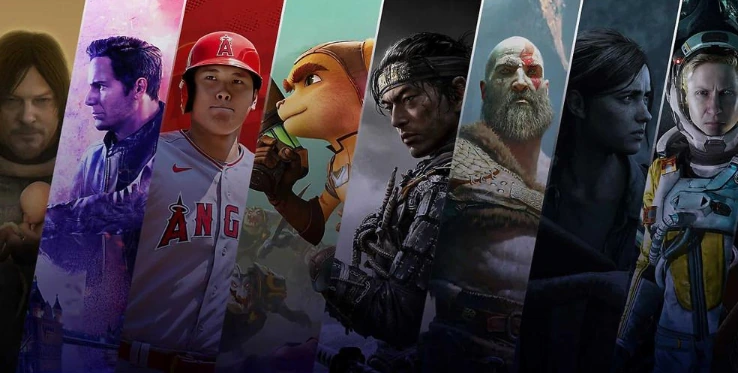
Waiting makes sense only if you already have enough to play, do not care about current PS5 exclusives, or prefer to buy hardware late in a generation. But if you are choosing between enjoying games now and waiting for a console that may be two or three years away, waiting is not the better option for most people.
The PS5 library is still active, and major releases will continue to target the platform. Even when PS6 arrives, cross-generation support is likely to continue for some time. That means a PS5 purchased now is not automatically obsolete when the next console appears.
The smarter strategy is to buy based on your current gaming needs. If you want the newest PlayStation experience today, buy into PS5. If your current setup still satisfies you, watch for Sony’s official PS6 announcement rather than reacting to every rumor.
The Real PS6 Answer for Now
The PlayStation 6 is coming, but Sony has not said when. The best current answer is that the PS6 will most likely arrive in 2028 or later, with late 2027 looking less certain and 2029 still possible if pricing, memory supply, and market timing push Sony to wait.
The most important thing is not the exact rumor of the week. Watch for three signals: Sony confirming a launch window, developers openly discussing PS6 projects, and clearer information on hardware pricing. Until then, the PlayStation 6 release date remains an informed estimate, not a confirmed calendar event.